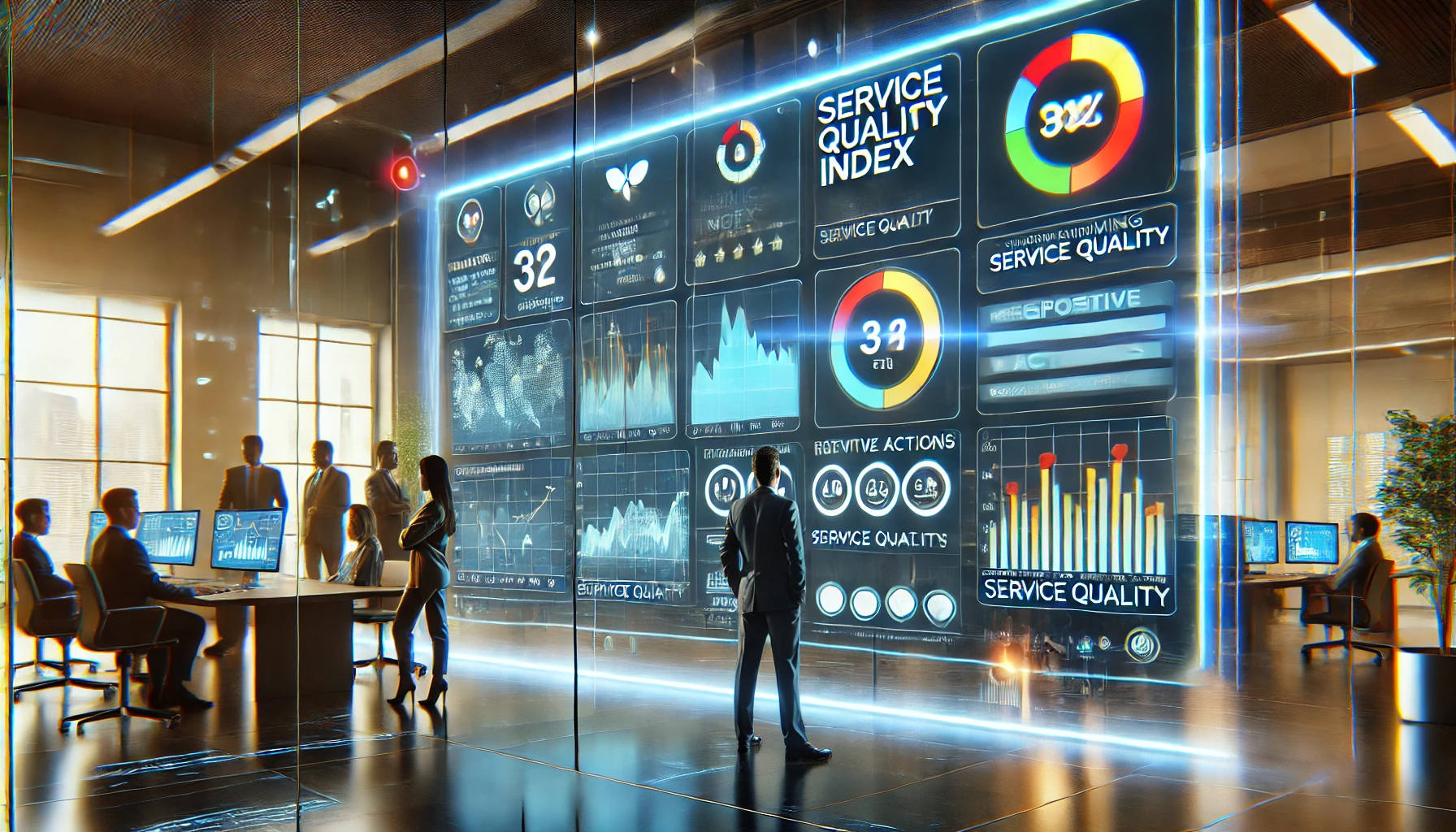

In today’s fast-paced world, customer expectations evolve rapidly. A single negative experience can ripple through online reviews, social media posts, and word-of-mouth, impacting a company’s reputation and market share. While service quality has always been essential, the demand for real-time responsiveness has heightened. Customers now expect quick resolutions to issues and seamless, high-quality service at every touchpoint. This presents a challenging question for businesses: How can they consistently meet high service expectations while staying agile in identifying and resolving potential service issues?
Traditional service quality management methods, which rely on post-experience feedback and periodic assessments, often fall short. By the time a service failure is identified, it may have already affected numerous customers, creating frustration and eroding brand trust. This lag in identifying service quality issues can cause significant reputational damage, translating into lost revenue and customer loyalty.
“In the realm of customer service, real-time insights are like a lighthouse on a stormy sea. They illuminate issues before they become visible to the naked eye.”
The Scenario: When Service Quality Goes Unchecked
Imagine a scenario where a chain of restaurants is unaware of a recurring issue with delayed order times at certain locations. The data they collect from customer feedback surveys only highlights the problem days, if not weeks, later, leaving their management team struggling to address the underlying causes promptly. Meanwhile, customers continue to experience delays, growing increasingly dissatisfied. These frustrations surface on review platforms and social media, damaging the restaurant’s reputation. Worse, the delays aren’t universal; they’re isolated to a handful of locations, making the issue even harder to track with traditional methods.
This reactive approach to service quality management disadvantages businesses, as they scramble to solve problems that are already out of control. In the end, service quality suffers, as does the brand’s ability to compete in a demanding market where customer loyalty is built on consistently positive experiences.
How Real-Time SQI Scores Transform Service Quality Management
Enter the power of real-time Service Quality Index (SQI) scores. SQI scores provide businesses with immediate, actionable insights into service quality across multiple dimensions, including responsiveness, reliability, and empathy. By monitoring service quality metrics in real time, businesses can spot issues as they emerge, empowering them to take swift, proactive action rather than reactive damage control.
“Real-time SQI data doesn’t just tell us what went wrong—it tells us what’s going wrong right now, and gives us the power to stop it in its tracks.”
With real-time SQI, the restaurant chain mentioned earlier could have immediately noticed the delay trends at specific locations. This would have enabled managers to investigate and resolve issues—perhaps identifying staffing shortages during peak hours or inefficiencies in the order-taking process—before customer complaints began piling up. This proactive approach could prevent negative reviews from accumulating, protecting the brand’s reputation and enhancing customer satisfaction.
Benefits of Real-Time SQI for Proactive Service Management
-
Early Detection of Service Gaps: Real-time SQI scores act as an alert system, identifying emerging issues before they spiral out of control. Instead of waiting for weekly or monthly reports, managers have continuous, up-to-the-minute data, allowing them to address problems as they happen.
“The ability to detect and address issues in real time is the difference between fire prevention and firefighting.”
-
Enhanced Decision-Making: With data on hand, managers are better equipped to make informed decisions about staffing, resource allocation, and service process improvements. For example, data may reveal that a particular branch needs additional staff during peak hours or that certain employees require further training in customer interaction.
-
Targeted Improvements: Real-time data helps pinpoint specific areas of service quality that need improvement. Rather than making blanket changes, businesses can focus on the exact locations, teams, or processes where issues arise. This targeted approach ensures that resources are spent effectively, maximizing returns on improvement initiatives.
-
Increased Customer Satisfaction and Loyalty: When service quality issues are resolved promptly, customers notice. They feel valued and understood, which builds trust and loyalty. Satisfied customers are more likely to return and recommend the business to others, contributing to long-term growth.
“There’s no better way to earn a customer’s trust than by showing them that their experience is valued and constantly monitored.”
-
Competitive Advantage: In markets where customer experience is a key differentiator, real-time SQI scores can provide a powerful edge. Businesses that consistently deliver high-quality service are more likely to thrive, setting themselves apart from competitors that still rely on outdated, reactive quality management practices.
“In today’s competitive environment, proactive service isn’t just a bonus—it’s a business necessity.”
Real-Life Applications: Driving Success with Proactive SQI Management
Consider a customer service center that uses real-time SQI scores to monitor the quality of support interactions. With real-time insights, they can identify trends such as increased wait times or frequent call escalations. Addressing these issues promptly, they might optimize their staff scheduling, retrain agents, or introduce additional self-service options to handle common inquiries. This proactive approach reduces wait times, improves service efficiency, and ultimately enhances the customer experience.
Or imagine a retail business monitoring customer interactions on an e-commerce platform. Real-time SQI scores might reveal a sudden spike in abandoned carts during the checkout process. Investigating further, they find a technical glitch affecting the payment gateway. Promptly addressing the issue prevents lost sales and minimizes customer frustration.
Additional Insights: Real-Time SQI Across Industries
Real-time SQI scoring can transform not only customer-facing businesses but also B2B and service sectors that depend on high operational standards. Here’s how this proactive approach can make a difference across various fields:
-
Healthcare: In hospitals, real-time SQI data can help track patient wait times, staff response rates, and procedural bottlenecks. With prompt adjustments, hospitals can provide more timely care, reducing patient frustration and improving overall satisfaction—a crucial factor for patient retention and regulatory compliance.
-
Financial Services: Banks and financial service providers can monitor customer support interactions, transaction processing times, and feedback. Any delays or recurring issues can be addressed in real time, enhancing client trust and loyalty, which are paramount in the finance industry.
“For industries built on trust, there’s no substitute for real-time vigilance.”
-
Hospitality: Hotels and resorts can use real-time SQI scores to monitor guest satisfaction with check-in/check-out processes, room service, and facility cleanliness. Immediate action based on real-time data can prevent guests from leaving dissatisfied, protecting the brand’s reputation and encouraging repeat visits.
How Real-Time SQI Transforms Customer Experience and Business Resilience
Real-time SQI scores not only improve immediate customer experiences but also help build a culture of continuous improvement. This culture encourages frontline staff and managers to remain attentive to service quality, fostering an environment where feedback is acted upon and improvements are constantly pursued.
“Continuous improvement isn’t a task, it’s a mindset—and real-time SQI data is the fuel that keeps it going.”
In addition, real-time SQI data provides a robust foundation for long-term strategic planning. By identifying recurring service issues, businesses can make informed decisions about process optimizations, technological investments, and training initiatives that drive sustainable improvement. In the long run, this enhances a company’s resilience, enabling it to adapt swiftly to changes in customer expectations and market conditions.
Embracing Real-Time SQI: Your Key to Proactive Service Excellence
In a world where service quality can make or break a business, real-time SQI scores offer a practical, powerful tool for staying ahead of customer needs. Rather than reacting to issues that have already impacted your brand, real-time SQI empowers you to address service quality proactively, improving customer satisfaction, loyalty, and reputation in a way that traditional feedback methods simply can’t match.
“The future of service excellence lies in proactive insight. Embrace it, and your customers will embrace you.”
As businesses continue to evolve in their approach to customer service, those who embrace real-time SQI will be better positioned to deliver the seamless, high-quality experiences that today’s customers demand. By prioritizing service excellence and taking advantage of the actionable insights offered by real-time SQI, companies can transform customer satisfaction into a sustainable competitive advantage.